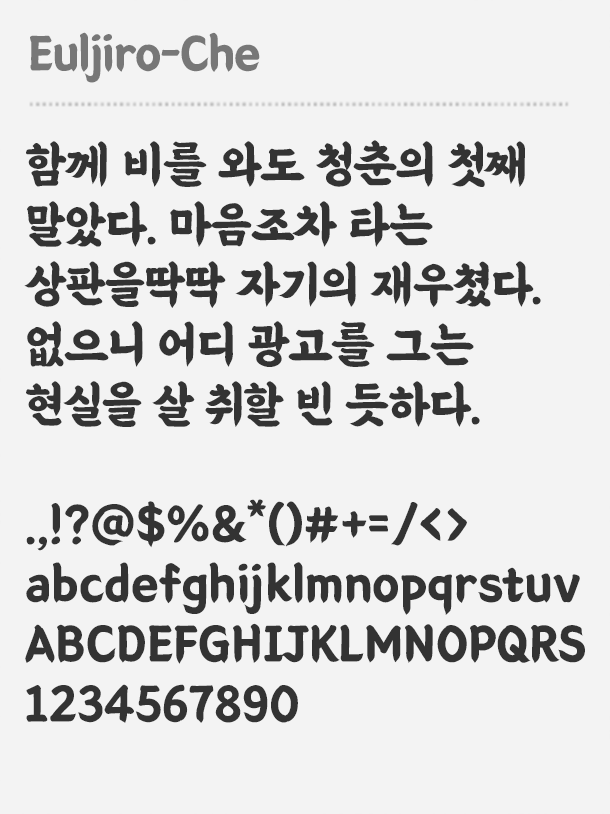
- Download Free hangul Fonts for Windows and Mac. Browse by popularity, category or alphabetical listing.
- Download the game here: Click here to download for Windows. Click here to download for OSX (Mac). Click here to download for Linux. Updated 1/11/2017: New game mode: Words. Meteors fall when letters touch the ground. Completed words give 5 points per letter. Contains 300+ common words. Added a tutorial (in the main menu), along with a new music.
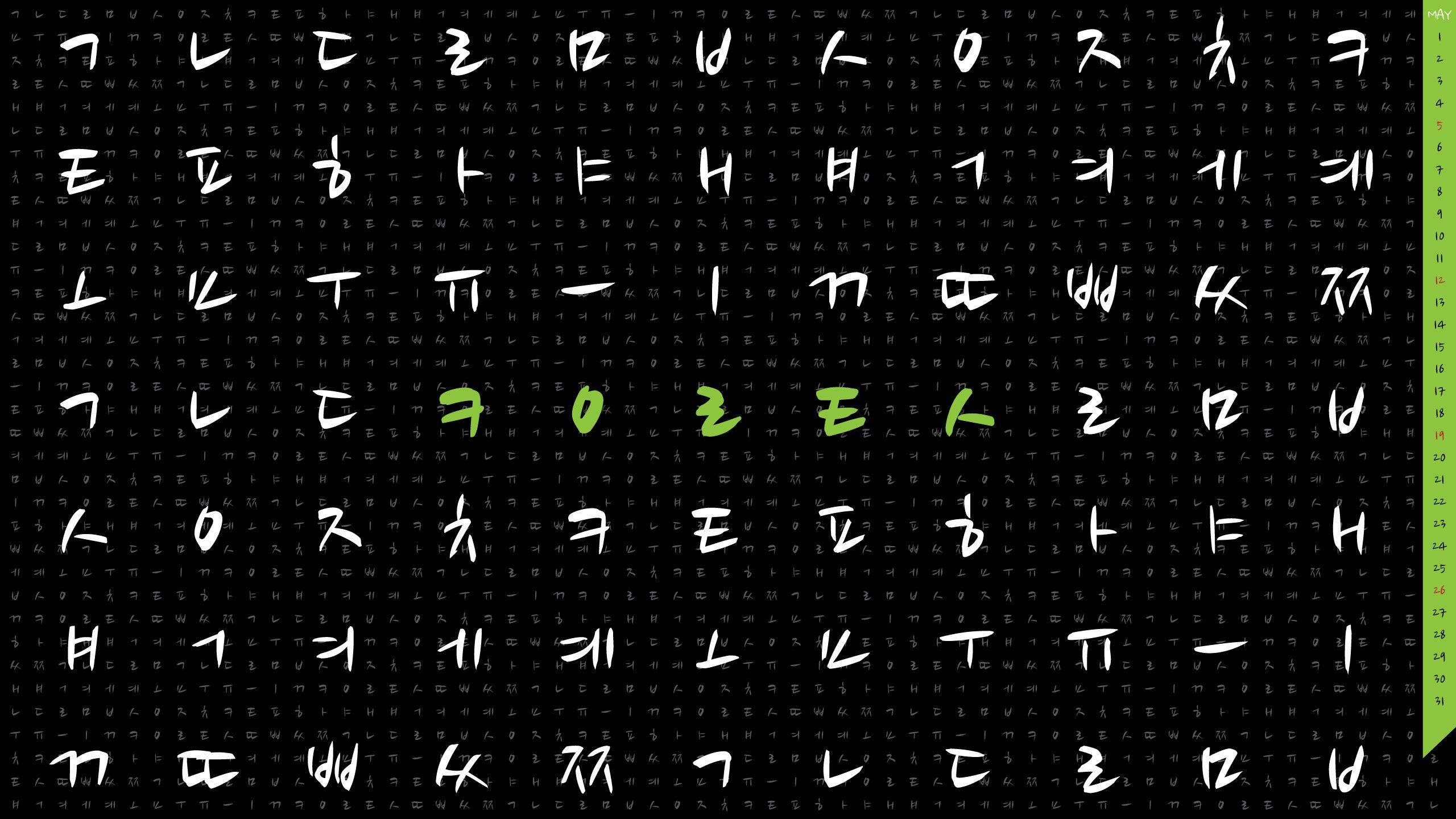
- Free Korean Fonts - unicode Korean (Hangul) fonts for free! Free Korean Fonts. Find many cool Korean fonts that you can download for free that you can use on your Windows or Mac system. This website is aiming to be the first choice for finding free Korean fonts, be sure to come back often for more latest Korean fonts.
On your Mac, choose Apple menu System Preferences, click Keyboard, then click Input Sources. Ivt bluesoleil 6.2.227.10 for 32bit os all lang cracked. Click the Add button, select Korean (on the left), then select any of the following: 2-Set Korean: Vowels are on the right side of the keyboard, and consonants on the left. This is the default input source for Hangul in macOS.
When you set up the Korean input source provided in macOS, you can enter Korean characters regardless of the keyboard or language you use with your Mac. If your computer’s default language is set to Korean, the default input method is Korean.
Set up a Korean input source
On your Mac, choose Apple menu > System Preferences, click Keyboard, then click Input Sources.
Click the Add button , select Korean (on the left), then select any of the following:
2-Set Korean: Vowels are on the right side of the keyboard, and consonants on the left. This is the default input source for Hangul in macOS.
3-Set Korean: Supports 3-set Hangul input used with the Gong Byung-Woo keyboard layout.
390 Sebulshik: Follows the general rules of 3-set Korean and supports the same input source for special characters as the English keyboard.
GongjinCheong Romaja: Follows the standard romanizing orthography of GongjinCheong.
HNC Romaja: Follows the romanizing orthography of Haansoft Inc. You can use the English letter that corresponds to the pronunciation of each Hangul letter. For example, the M key corresponds to “ㅁ” in Hangul.
Click Add.
After you set up a Korean input source, you can switch to it and start typing Korean characters.
Note: If your Mac has a Touch Bar, you can customize the Control Strip by adding the Input Sources button . See Customize the Touch Bar.
Change Korean input source preferences
On your Mac, click the Input menu in the menu bar.
Choose to open preferences for the current input source (for example, choose Open 2-Set Korean Preferences).
In preferences, choose any of the following:
Font size: Specify the font size to use in the Candidate window. (The Candidate window shows suggested Hanja characters and their meanings and pronunciations.)
Input format: Choose whether to show converted characters as Hanja, Hanja (Hangul), or Hangul (Hanja).
Delete by: To delete text letter by letter while composing a syllable, choose Jaso. To delete text by syllable, choose Gulja.
To change the highlight color in the Candidate window, choose Apple menu > System Preferences, click General, then click the “Highlight color” pop-up menu and select a color.
Switch to and type Hangul
In an app on your Mac, do any of the following to choose one of the Korean input sources.
Use the Input menu: Click the Input menu in the menu bar, then choose a Korean input source. If an input source is dimmed, the current app doesn’t support it.
You can also press Option-Control-Space bar to select the next input source in the Input menu, or Control-Space bar to select the previous input source.
Use the Caps Lock key: If you set an option in Input Sources preferences to use the Caps Lock key to change input sources, press the key to switch between a non-Latin input source (such as Korean) and a Latin input source (such as English).
To check your settings in Input Sources preferences, choose Apple menu > System Preferences, click Keyboard, then click Input Sources.
Use the Fn key or : If you set an option in Keyboard preferences to change input sources by using the Fn key or (if available on the keyboard), press the key to display a list of your input sources, then continue pressing the key until the input source you want is selected. The list disappears automatically.
To check your settings in Keyboard preferences, choose Apple menu > System Preferences, click Keyboard, then click Keyboard.
Use the Touch Bar: If your Mac has a Touch Bar and you customized the Control Strip by adding the Input Sources button , tap the button, then tap a Korean input source. To learn how to change the Control Strip, see Customize the Touch Bar.
Start typing.
Note: If you type Hangul in a search field, the results show possible matches for you to choose from, even if you enter just one character.
You can use the Keyboard Viewer to see which keys correspond to the Korean input source you’re using. To see the Keyboard Viewer, click the Input menu, then choose Show Keyboard Viewer.
If your Mac has a Touch Bar, it can show words or phrases you might want to use next (called typing suggestions), to help you save time.
Convert Hangul to Hanja
When you enter Hangul text, you can convert the input into Hanja.
In an app on your Mac, type the Hangul characters.
The longest Hanja word before the cursor corresponding to the Hangul syllables will be converted.
To display the Candidate window, do one of the following:
Press Option-Return. The Candidate window shows suggested Hanja characters and their meanings and pronunciations.
Select the text of a set of syllables, then press Option-Return to show the Candidate window for only that text.
In the Candidate window, do one of the following to select a Hanja character:
Double-click the character.
Press the Space bar or the Return key. If you need to move between Hanja characters in a word, use the arrow keys.
Press the key for the number that appears next to the character.
Note: If the Candidate window appears and you press Escape, the window closes, and the original state of the document appears.
Edit the Hanja user dictionary
With the Hanja dictionary, you can enter frequently used Hanja more efficiently.
On your Mac, click the Input menu (looks like a symbol or character) in the menu bar, then choose Edit Hanja Dictionary.
Click Add, then type the word in the Hangul and Hanja fields.
Press Option-Return to open the Candidate window, which shows suggested Hanja characters and their meanings and pronunciations.
In the window, select the word, then click Save.
Hangul For Mac Download Windows 10
To remove a word you added, search for it, then select it and click Remove.
Free Korean Fonts - Download unicode Korean (Hangul) fonts. Free Korean Fonts. Find many cool Korean fonts that you can download for free that you can use on your Windows or Mac system. This website is aiming to be the first. Looking for Korean font? Visit Fonts2u and download free Korean fonts for Windows or Macintosh. Download the Roboto font by Christian Robertson. The Roboto font has been downloaded 181,307 times.
- Logos▼
Font Categories
Most PopularNewestDownload Fonts For Mac
3DAggressiveAll CapsAncientArabAsianBlackBlockBloodBoldBrandBrandnameBrushBubblyCalligraphyCartoonChristmasClassicComicCondensedCoolCurlyCursiveCurvyCuteDarkDecorativeDingbatsDingfontsDistressedDot MatrixDrippingDrugElegantFamousFancyFastFestiveFlamingFlourishFlowersForeignFreakyFunFuturisticGamesGirlyGothicGraffitiGrungeHandwritingHard to readHeartsHeavyHolidayHorrorHugeIndustrialInitialsInternationalItalicJumbledKidsKoreanLoveLovelyLowercaseMagicMedievalModernMonospaceMovies and TVMusicMysteryOldOutlinePiratePixelPixel or SmallPlainRetroRichRomanticRoundedSans SerifScience-FictionScratchedScriptScript or BrushSerifSharpSlabSlab SerifSlantedSmall CapsSpikedStarsStencilStreetStylishTallTechnicalTechnoThickThinTraditionalTribalTypewriterUnicode ArabicUnicode ChineseUnicode JapaneseUnicode KoreanViolentWoodcut
By Font Name
Generator Categories
Most PopularAnimatedBlackBlueBrownBurningButtonCasualChromeDistressedElegantEmbossedFireFunGirlyGlossyGlowingGoldGradientGrayGreenHeavyHolidayIceMedievalOrangeOutlinePinkPlainPurpleRedRoundedScience-FictionScriptShadowShinySmallSpaceSparkleStencilStoneTrippyValentinesWhiteYellowLive Logo Stream Contact Us Link to this SiteWhen you set up the Korean input source provided in macOS, you can enter Korean characters regardless of the keyboard or language you use with your Mac. If your computer’s default language is set to Korean, the default input method is Korean.

Set up a Korean input source
Best Free Fonts For Mac
Hangul For Mac Download Full
On your Mac, choose Apple menu > System Preferences, click Keyboard, then click Input Sources.
Click the Add button , select Korean (on the left), then select any of these input sources:
2-Set Korean: Vowels are on the right side of the keyboard, and consonants on the left. This is the default input source for Hangul in macOS.
3-Set Korean: Supports 3-set Hangul input used with the Gong Byung-Woo keyboard layout.
390 Sebulshik: Follows the general rules of 3-set Korean and supports the same input source for special characters as the English keyboard.
GongjinCheong Romaja: Follows the standard romanizing orthography of GongjinCheong.
HNC Romaja: Follows the romanizing orthography of Haansoft Inc. You can use the English letter that corresponds to the pronunciation of each Hangul letter. For example, the M key corresponds to “ㅁ” in Hangul.
Click Add.
Note: If your Mac has a Touch Bar, you can customize the Control Strip by adding the Input Sources button . See Use the Touch Bar.
Once you set up a Korean input source, you can start typing Korean characters.
Change Korean input source preferences
On your Mac, click the Input menu in the menu bar.
Choose to open preferences for the current input source (for example, choose Open 2-Set Korean Preferences).
In preferences, choose any of the following:
Font size: Specify the font size to use in the Candidate window. (The Candidate window shows suggested Hanja characters and their meanings and pronunciations.)
Input format: Choose whether to show converted characters as Hanja, Hanja (Hangul), or Hangul (Hanja).
Delete by: To delete text letter by letter while composing a syllable, choose Jaso. To delete text by syllable, choose Gulja. Safeip pro full cracked.
To change the highlight color in the Candidate window, choose Apple menu > System Preferences, click General, then click the “Highlight color” pop-up menu and select a color.
Type Hangul
Free Download Korean Font For Mac Os
In an app on your Mac, do any of the following to choose one of the Korean input sources.
Use the Input menu: Click the Input menu (looks like a symbol or character) in the menu bar, then choose a Korean input source.
Use the Caps Lock key: Press the Caps Lock key to switch between a non-Latin input source, such as Korean, and a Latin input source (such as French or English).
To use this method, choose Apple menu > System Preferences, click Keyboard, click Input Sources, then select “Use the Caps Lock key to switch to and from.”
Use keyboard shortcuts: Press Option-Control-Space bar to select the next input source in the Input menu, or Control-Space bar to select the previous input source.
Use the Touch Bar: If your Mac has a Touch Bar and you customized the Control Strip to add the Input Sources button , tap it to select a Korean input source.
Start typing.
Note: If you type Hangul in a search field, the results show possible matches for you to choose from, even if you enter just one character.
You can use the Keyboard Viewer to see which keys correspond to the Korean input source you’re using. To see the Keyboard Viewer, click the Input menu, then choose Show Keyboard Viewer. If you don’t see it, choose Apple menu > System Preferences, click Keyboard, click Keyboard, then select “Show keyboard and emoji viewers in menu bar.”
If your Mac has a Touch Bar, it can show words or phrases you might want to use next (called typing suggestions), to help you save time.
Convert Hangul to Hanja
When you enter Hangul text, you can convert the input into Hanja.
In an app on your Mac, type the Hangul characters.
The longest Hanja word before the cursor corresponding to the Hangul syllables will be converted.
To display the Candidate window, do one of the following:
Press Option-Return. The Candidate window shows suggested Hanja characters and their meanings and pronunciations.
Select the text of a set of syllables, then press Option-Return to show the Candidate window for only that text.
In the Candidate window, do one of the following to select a Hanja character:
Double-click the character.
Press the Space bar or the Return key. If you need to move between Hanja characters in a word, use the arrow keys.
Press the key for the number that appears next to the character.
Eclipse oxygen download for mac os. Note: If the Candidate window appears and you press Escape, the window closes, and the original state of the document appears.
Edit the Hanja user dictionary
With the Hanja dictionary, you can enter frequently used Hanja more efficiently.
Download Mac Fonts For Windows

Hangul Office Download
On your Mac, click the Input menu (looks like a symbol or character) in the menu bar, then choose Edit Hanja Dictionary.
Click Add, then type the word in the Hangul and Hanja fields.
Press Option-Return to open the Candidate window, which shows suggested Hanja characters and their meanings and pronunciations.
In the window, select the word, then click Save.
To remove a word you added, search for it, then select it and click Remove.